Seasonal Journeys Reshape Late Picks in European Soccer and NBA Accumulator Builds
Ellis Neumann · Aug 25, 2026
Seasonal Journeys Reshape Late Picks in European Soccer and NBA Accumulator Builds
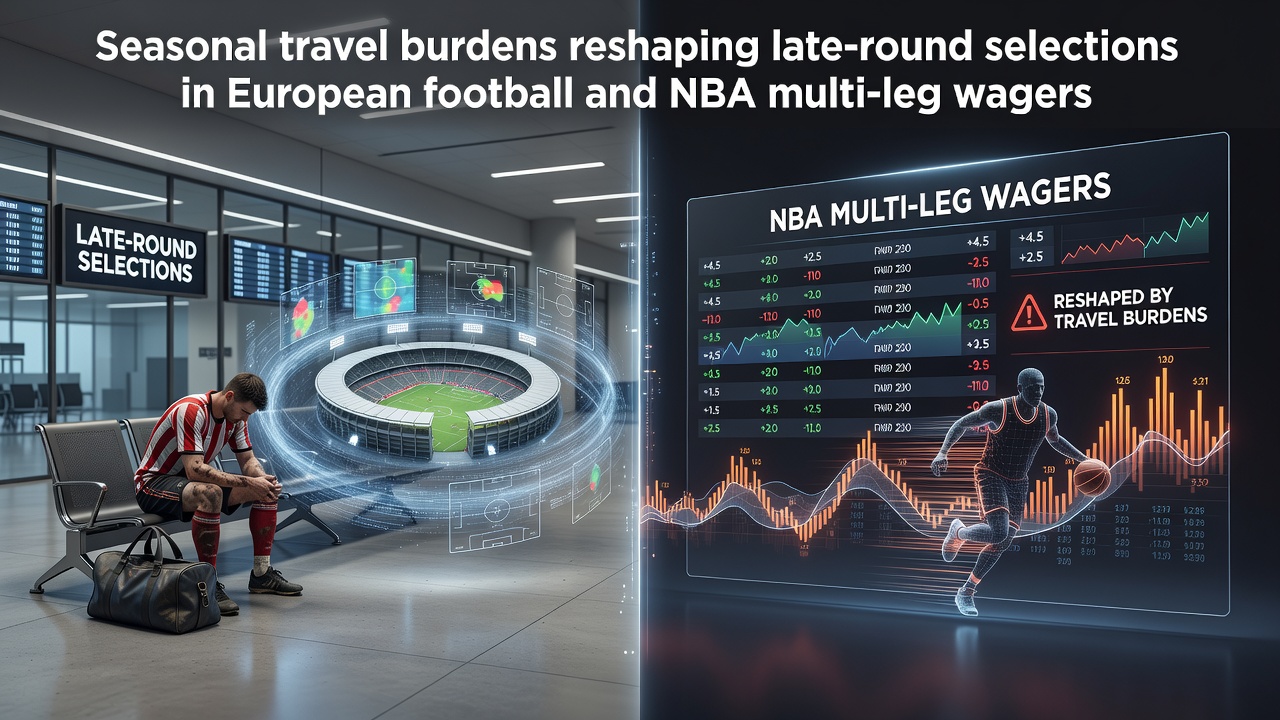
European soccer leagues and the NBA both face intense travel schedules that peak during winter and spring months, and these patterns directly influence which selections appear in multi-leg wagers during late rounds. Teams crossing time zones or enduring consecutive away fixtures often show measurable drops in key performance metrics, according to schedule analysis from major leagues. Bettors who track these patterns adjust their accumulator combinations to account for reduced scoring rates, higher foul counts, and altered rotation decisions.
European Soccer Travel Patterns in Late Stages
Champions League knockout ties and domestic cup quarterfinals require clubs to cover long distances within short recovery windows, and data compiled by the Union of European Football Associations shows that squads traveling more than 1,000 kilometers between matches record lower pass completion percentages in the subsequent fixture. Midweek European away games followed by weekend league matches create compressed schedules that limit training time, which in turn affects substitution patterns and set-piece execution. Observers note that clubs based in northern Europe encounter additional weather-related delays during January and February, further compounding fatigue when they reach April knockout stages.
Coaches respond by rotating midfielders more aggressively in away legs, and this rotation shows up in betting markets as reduced goal tallies in the first half. Multi-leg wager builders who combine these fixtures with domestic over/under lines often shift selections toward unders when the away side has logged heavy travel miles. Historical match logs indicate that teams with three or more flights in a ten-day window concede more shots from distance, creating opportunities for defensive-focused accumulator legs.
NBA Schedule Density and Cross-Country Impact
The NBA regular season stretches into April, and the league’s unbalanced schedule places Western Conference teams on extended road trips that include multiple time-zone changes. League tracking data reveals that teams playing their fourth game in five nights post a lower effective field goal percentage, particularly on the second night of back-to-backs. These statistical shifts influence how multi-leg wager constructors build parlays that include late-season games involving high-travel clubs.
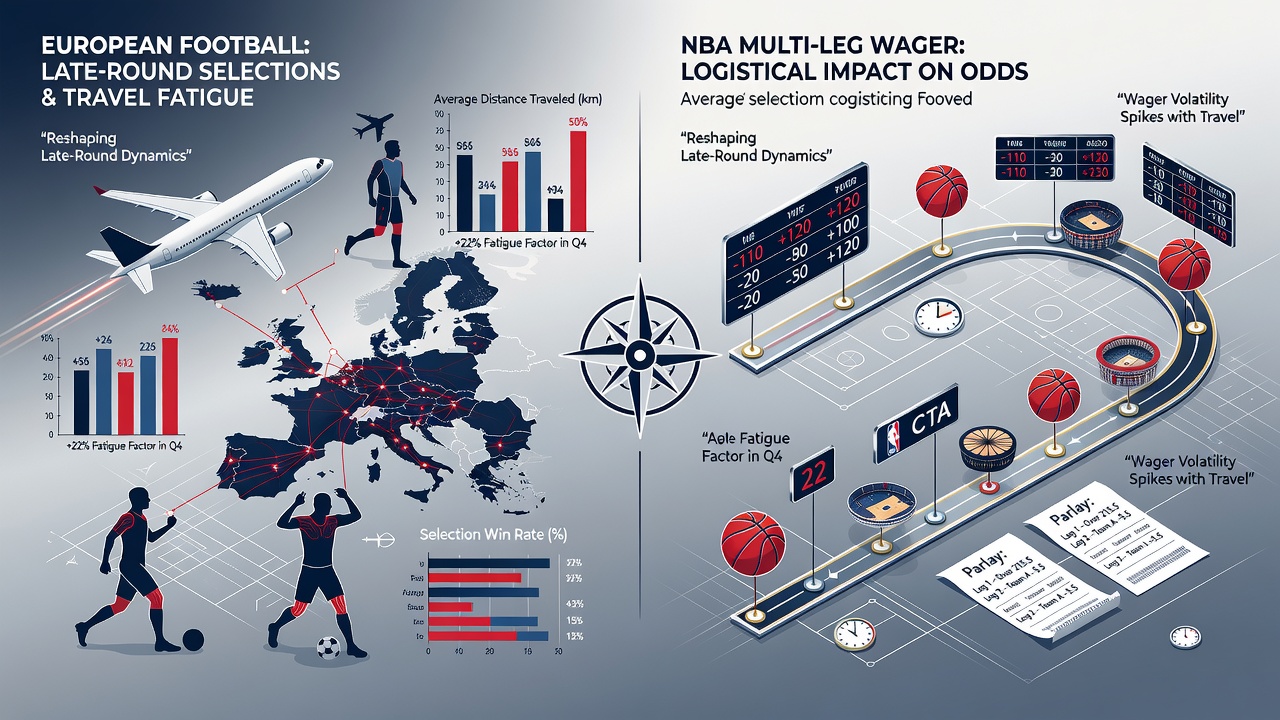
Play-in tournament and first-round playoff series add another layer because teams must travel immediately after securing their seeding. Eastern Conference clubs heading west for a best-of-seven series face recovery challenges that manifest in slower transition defense during games three and four. Accumulator builders monitoring these trends frequently incorporate player prop unders on points scored by perimeter players who log heavy minutes on the preceding travel day.
August 2026 Preparations and Forward Planning
As clubs finalize 2026-27 pre-season schedules in August 2026, fixture congestion analysts already project similar travel loads for the following spring. European governing bodies have introduced optional rest windows after international breaks, yet these measures do not fully offset the cumulative effect of Champions League group-stage flights. NBA teams meanwhile continue to lobby for reduced back-to-back sets, but current collective bargaining agreements lock in the existing density through the 2027 playoffs. Bettors who review early training-camp reports therefore begin modeling potential late-round selections months ahead, focusing on clubs with lighter March travel calendars.
Accumulator Construction Adjustments
Multi-leg wager platforms record increased activity on defensive props and under totals when travel-heavy fixtures appear in the later rounds. European soccer accumulators often pair a low-scoring Champions League tie with an NBA unders leg involving a team arriving from a cross-country flight the previous evening. Research published by the Journal of Sports Analytics indicates that fatigue effects become statistically significant after 48 hours of cumulative travel time within a seven-day period, prompting systematic bettors to apply filters that exclude high-travel teams from over selections.
Industry reports from sports data providers confirm that late-round variance rises when multiple teams on the same slip share similar travel burdens, yet this variance can be managed by diversifying across leagues rather than stacking similar fatigue profiles. Those constructing parlays therefore examine flight manifests and recovery timelines published by team medical staff to refine leg selection before finalizing combinations.
Conclusion
Seasonal travel burdens continue to shape which late-round outcomes receive attention in European soccer and NBA multi-leg wagers, with schedule density serving as a measurable input for performance modeling. As fixture lists for the 2026-27 campaigns take shape, both leagues maintain their current travel footprints, ensuring that fatigue metrics remain relevant for accumulator builders who integrate travel data into their selection processes.